Skip Hire in Brixton for straightforward waste removal
Skip Hire Brixton provides skip hire in Brixton for household clear-outs, building work, garden projects and ongoing trade waste tasks that need a practical collection point. Our service is built around keeping mixed waste manageable, so you can separate the right materials, choose a suitable skip size and organise the collection around your own schedule. That combination matters when a job creates more waste than ordinary bins can handle.
If you are comparing disposal options, the main decision is usually how much material you need to remove and how long you need it on site. A skip is often the most convenient choice when items will be added over several hours or days, while lighter jobs may suit smaller loads or a different collection method. We help customers think through the practical side of the booking, including access, placement and the type of waste that is likely to go in.
Request a quotation when you are ready to plan the right waste solution for your property or project. We keep the process direct and commercial, so it is easier to move from an initial idea to a booked arrangement without unnecessary back and forth.
Choosing the right skip size and hire period
Different jobs produce waste in different shapes and volumes, which is why the right skip is not just about capacity. A small domestic clear-out may suit a compact unit, while a renovation can quickly generate broken fittings, packaging, timber offcuts and heavier rubble. The aim is to select a size that avoids overfilling while still making the collection efficient. Our skip sizes and prices page is useful if you want to compare the typical options before asking for a quote.
Hire period also matters. Some customers need a skip for a short, focused period; others prefer a little longer so that waste can be added as the work progresses. A sensible arrangement gives you enough time to load the skip properly without letting it sit unused for too long. If you are planning a one-off job, it helps to think about when demolition, clearing and loading will actually happen, rather than only when the project starts.
For many customers, the clearest way to decide is to list the main waste streams first. Bulky furniture, soil, bricks, plasterboard and general mixed debris all behave differently in practice, and that can affect the best hire choice. If you know what you are removing, you are better placed to avoid booking something too small or arranging a size that is larger than you need.
Household clear-outs and domestic projects
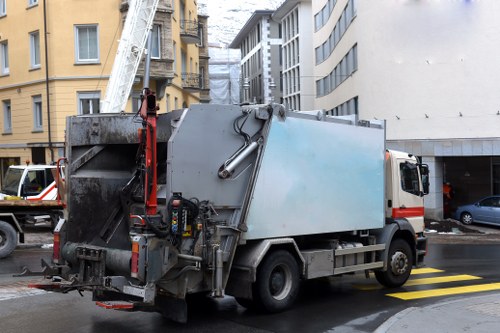
Home projects often begin with a single room and then spread into lofts, sheds, cupboards and communal spaces. Our domestic service is suited to that kind of gradual clearing, where items are separated over time rather than removed all at once. If the job includes furniture, broken household fittings or mixed light waste, a skip can keep the process organised while you work through the property in stages.
For larger decluttering jobs, it is worth identifying the kinds of waste before the booking is made. Some materials are straightforward general waste, while others may need a different approach because of their size, weight or disposal requirements. If you are also dealing with a garage or loft full of old belongings, the relevant pages on house clearance and garage and loft clearance can help you compare the service fit before you decide how to proceed.
When the job is mainly domestic, people often appreciate a simple way to keep the work moving. A skip can be filled as rooms are emptied, which reduces the need for repeated trips to a tip or depot. It also gives you a single place to put items that are definitely going, which can make sorting easier when a property contains a mixture of keep, donate and dispose decisions.
Builders’ waste and construction debris
Building work produces waste that is often denser and more awkward than ordinary household rubbish, so the disposal plan needs to match the job. Our builders’ waste options are designed for materials such as rubble, plaster, packaging, timber and mixed site debris. Where a project generates repeated loads, it can be useful to coordinate the delivery and collection around the sequence of the work, especially if access is tight or storage space is limited. You can also review builders’ waste removal if you want a wider overview of common trade disposal work.
Construction waste is usually best managed by separating reusable or recyclable material where that is practical, then placing the remainder into the correct container. That reduces unnecessary contamination and makes the final disposal stage easier to organise. Some jobs benefit from a skip on site throughout the project, while others work better with a single collection once the main demolition or strip-out phase is complete. The best choice depends on volume, loading speed and the type of waste produced.
For larger construction jobs, it can help to think in terms of workflow rather than one-off removal. The skip should support the pace of the work, not interrupt it. That may mean allowing room for loading access, planning around deliveries and ensuring the waste mix stays within the scope of the booked service. Good planning at this stage can keep the site tidier and make later clearing more predictable.
Commercial and office waste arrangements
Business premises create waste in a different pattern from domestic properties, especially where packaging, office furniture, shelving, stockroom contents or refurbishment debris need to be cleared together. Our commercial skip hire is suitable for premises that need a practical and visible disposal point during a move, refit or periodic tidy-up. If your project involves business premises, the commercial skip hire page gives a helpful starting point for the types of jobs commonly handled.
Office clearance can call for a more structured approach because furniture, paperwork, IT equipment and general waste may all need different handling. In those cases, the skip is only part of the plan; the wider clearance sequence should reflect what is being removed and what must be kept separate. If your job is centred on desks, chairs and old stock rather than building debris, the office clearance service may suit the project better than a simple waste container arrangement.
Commercial customers often need waste removed in a way that fits staff movement, opening hours and building access. A well-planned hire avoids unnecessary disruption and keeps the premises presentable while work continues. Where regular disposal is needed during a fit-out or move, the key is choosing a setup that allows the waste to leave the site steadily instead of gathering in hallways or storage areas.
Garden, outdoor and green waste
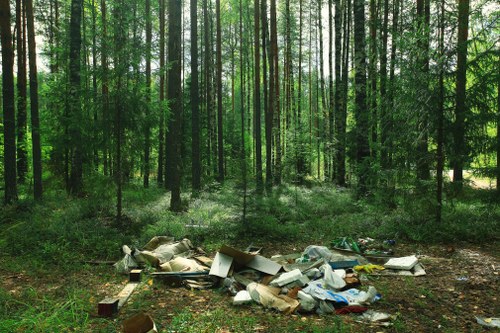
Garden work can create an awkward mix of light organic waste and heavier material such as broken edging, soil, turf, branches, paving and old outdoor fixtures. Our garden waste removal service is suitable for customers who are reshaping beds, clearing overgrown areas or replacing landscaping features. If the job is mainly outdoors and green materials dominate, the dedicated garden waste removal page is a useful reference for the practical side of that work.
Outdoor clearance often benefits from a plan that keeps natural waste apart from hard material. Branches and leaves behave very differently from soil or broken slabs, and the loading method should reflect that. Where the project includes paving or structural garden work, the waste load may look more like building waste than garden trimmings. In that case, it helps to consider the full mix before booking so that the collection matches the real job.
When a garden is being restored in stages, a skip can be a useful way to keep the site useable while the work continues. It allows waste to be moved away as soon as it is produced, rather than gathered into temporary piles that get in the way. That can make a long weekend clear-up or a larger landscaping project more orderly and easier to finish.
Site clearance, demolition and heavier waste
Some projects need more than a standard tidy-up because the waste is spread across a wider area or comes from demolition, strip-out or preparation work. Our site clearance option supports jobs where the aim is to clear a working area before the next stage begins. This may include mixed debris, packaging, timber, fixtures and general material that needs to be removed efficiently rather than sorted over many separate trips.
Demolition waste can be especially uneven, with heavier pieces and sharp fragments appearing alongside lighter debris. That makes it sensible to book a service that reflects the actual material rather than the visible volume alone. The same principle applies to larger construction waste disposal tasks: a bin or skip should be capable of handling the debris mix you expect, while still allowing safe loading and sensible collection planning. If the job is focused on a structural tear-out, the demolition waste removal page may help you compare that type of work more closely.
For projects where debris is generated quickly, the practical question is often when the waste can be removed without slowing the work. A good arrangement keeps the floor area clearer, reduces handling and avoids letting heavy material accumulate in one place. That is particularly useful where access routes must remain open or where the next contractor needs a clear space to begin their own work.
About Brixton
Brixton is a district in south London within the London Borough of Lambeth, known for its strong association with railway growth, migration and urban change. Brixton station opened in 1862 on the London and Greenwich Railway, and the area later became a significant transport and shopping centre as tram routes and rail links expanded. Today it is closely identified with Brixton Road, Electric Avenue and Brixton Market, where covered arcades and street-facing stalls form part of the everyday character of the district. The market area has changed over time, but it remains one of the most recognisable parts of local life. Nearby, Brixton Recreation Centre and Brockwell Park are among the important public spaces associated with the wider area, while Herne Hill and Clapham sit close enough to shape movement and activity across the district. Brixton’s cultural identity is also marked by music venues, independent businesses and food trading, reflecting a long history of adaptation and exchange. The area’s built environment combines Victorian terraces, civic buildings and later redevelopment, so its streets present a varied urban landscape rather than a single architectural style. That mix gives Brixton a layered feel, where transport history, local commerce and public space continue to interact in a relatively compact part of inner London.
What can go in a skip?
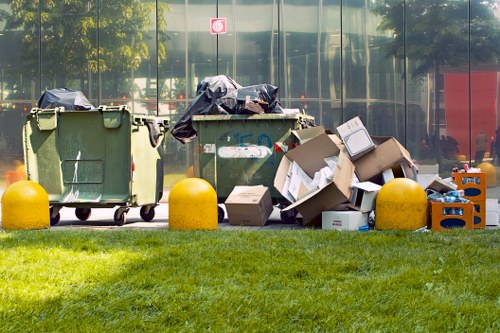
Understanding what goes into a skip is important because the material mix affects both safety and collection planning. General household waste, broken furniture, timber, packaging and many renovation leftovers are commonly suitable, provided they fit within the booked service and any site rules are followed. If you are unsure about a specific item, the what can go in a skip page is a practical place to check the broad rules before loading begins.
Some materials require more care than ordinary mixed waste, especially where they are sharp, heavy, dusty or potentially harmful. That is one reason why it helps to sort as you go rather than waiting until the end of the job. A simple approach is to keep an eye on three things: what the item is, how it behaves when loaded, and whether it belongs with general waste at all. This reduces the chance of difficult surprises when the collection is due.
When in doubt, ask before you load rather than assuming every unwanted item belongs in the same container. A short check at the start can save time later and helps the job stay within the expected scope. It is usually better to adjust the waste plan early than to discover an issue after the skip is already full.
Permits, access and collection planning
Some skip placements require extra attention because the vehicle needs space, the property has limited access or the chosen position is on or near public highway. Where a permit is needed, it is sensible to understand that requirement before finalising the booking. Our skip permits page and skip hire permits page are useful if you want to review the permit-related options available for different placements.
Access planning is also part of a smooth hire. The route to the site, the available clearance and any obstacles near the loading area can all influence the best arrangement. If the collection point is awkward, a different placement or alternative service may be more practical than forcing a standard setup to fit. In some circumstances, a wait-and-load approach can be useful where space is tight and a long static hire would not suit the property.
The easiest bookings are usually those where the customer has a clear idea of where the waste is coming from, where it can sit and when it needs to leave. That does not mean the process has to be complicated; it simply means the hire should match the site rather than the site having to adapt too heavily to the hire. Clear access details usually lead to a more suitable arrangement.
Recycling, specialist waste and final arrangements

Many waste streams can be handled more effectively when the material is kept in the right category from the outset. Our recycling and sustainability approach is relevant wherever separation improves the final disposal process, especially for mixed renovation waste, scrap items and material that can be directed away from general disposal routes. If you want to understand the wider process, the recycling and sustainability page gives a broader view of how responsible sorting supports the service.
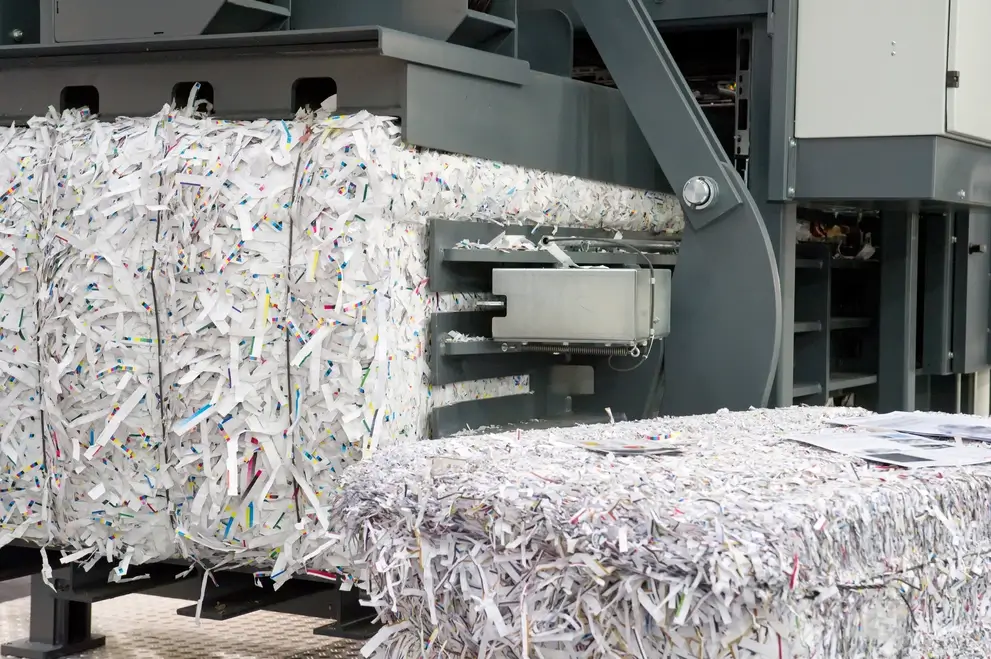
Some jobs also involve items that need specialist disposal because they are bulky, fragile or governed by separate handling rules. For instance, appliances, mattresses, office shredding and hazardous materials do not always belong in the same process as general mixed waste. In those cases, the right service is often the one that separates the difficult items early rather than trying to fit everything into a single generic load. The pages for fridge and appliance removal, mattress and sofa disposal and hazardous waste disposal each cover a distinct type of waste that may need a different plan.
For customers ready to move ahead, the next step is usually to request a quotation and confirm the practical details of the job. If the waste type, access and timing are clear, it becomes much easier to arrange a hire that suits the work. pricing and quotes can help with the final comparison, and we invite you to get in touch when you are ready to organise the collection.